
Dubai Luxury Style Loved By Dubai Clients Across Town
Home Interior Design in Dubai: A First-Timer’s Stage-by-Stage Guide
Planning your first home in Dubai can feel both thrilling and a little overwhelming. Whether you have only just received the keys to a compact apartment in Dubai Marina or a generous villa on Palm Jumeirah, the choices in front of you are plentiful. The good news is that interior design grows much less daunting once you break it into a logical set of steps. This beginner’s guide leads you through the whole journey, from first ideas to finishing touches, based on how projects really unfold in the UAE in 2026. Along the way you will come across realistic budget ranges, sensible timelines, and the regional permits you must not miss. By the finish you ought to feel ready to plan a home that looks beautiful and works for daily life in the Emirates.
What Makes Designing a Home in Dubai Different
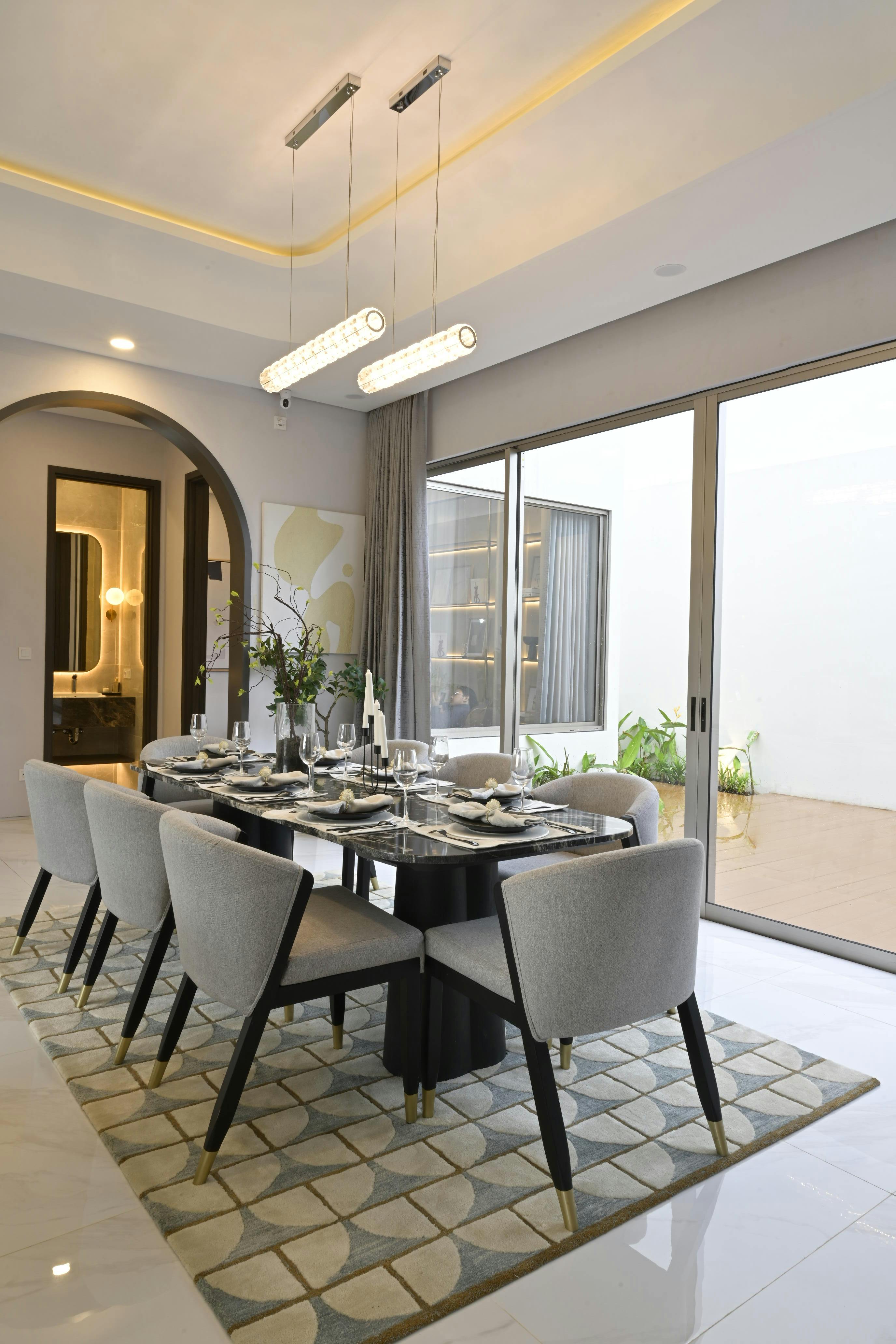
Home design in Dubai is not like a job in a milder climate, and catching the differences early saves money and frustration. Because summers routinely pass 45 degrees Celsius, materials, fabrics, and finishes must endure heat, strong sunlight, and fine desert dust. Humidity near the coast in spots like Dubai Marina or Jumeirah can affect timber, so many designers lean on engineered wood, porcelain, and treated surfaces. Because many residents rent instead of owning, some projects favour removable, damage-free upgrades over structural change. Buildings almost always require a No Objection Certificate firas alsahin interior designer from the owner or management before any fit-out work begins. Handover finishes from developers range widely too, meaning one apartment arrives fully tiled while another is a bare shell. Keeping these local realities in mind from day one informs every subsequent decision.
The Stage-by-Stage Process
The safest way to tackle a home project is to see it as a sequence of stages instead of one massive job. Professional studios across Dubai follow a broadly similar roadmap, and the same logic works even on a modest budget. Below, the ten steps go from grasping your lifestyle to the last day of styling and handover. Each stage builds on the one before, so avoid the urge to skip ahead to buying furniture. Taking the early planning steps seriously is what separates a calm project from a stressful one. Read through the full list once before you start so you can see where you are headed.
- Work out how you actually live: note your daily routines, who uses each room, and what frustrates you about your current space.
- Agree a realistic budget and keep back roughly 10 to 15 percent as a contingency for the unexpected.
- Gather visual references, keeping images you like and spotting patterns in colour, texture, and mood.
- Measure everything, because accurate room dimensions, ceiling heights, and socket positions prevent expensive mistakes later.
- Decide on a style direction that works for your taste as well as the building’s architecture.
- Plan the layout, arranging furniture zones for flow, natural light, and the way air conditioning reaches each seat.
- Choose materials and finishes that cope with Dubai heat, humidity, and regular cleaning.
- Secure approvals, obtaining the building NOC and any fit-out permit before contractors lift a single tool.
- Run the works, coordinating trades, ordering long-lead items early, and inspecting progress at regular intervals.
- Finish and snag, bringing in lighting, textiles, and accessories, then noting any defects for the team to fix.
Setting Your Budget Realistically
More than anything, budget shapes every other choice, so face it honestly before you get attached to a look. On 2026 figures, a basic apartment refresh in Dubai commonly falls between AED 200,000 and AED 340,000, while a mid-range job comes closer to AED 400,000 to AED 750,000. Firms regularly quote turnkey interior and fit-out work per square foot, standard residential rates landing around AED 75 to AED 250 and mid-tier schemes near AED 200 to AED 400. For luxury villas and penthouses, rates can push well above AED 600 to AED 1,200 per square foot once bespoke joinery and imported stone come in. Design-only fees are usually set at about 10 to 20 percent of the project budget, or per square foot. Keep in mind that these numbers are market ranges, not fixed quotes, so use them for planning. The table below rounds up typical 2026 estimates to help you shape your own figures.
| Home type | Project scope | Estimated 2026 total (AED) | Typical duration |
|---|---|---|---|
| 1-2 bed apartment | Budget refresh | 200,000 – 340,000 | 6 – 8 weeks |
| 2-3 bed apartment | Mid-range fit-out | 400,000 – 750,000 | 8 – 10 weeks |
| 3-4 bed villa | Complete renovation | 250,000 – 600,000 | 10 – 14 weeks |
| Premium villa | Bespoke turnkey | 600,000 – 2,000,000+ | 20 – 36 weeks |
How Long It Takes
Time is simple to underestimate, particularly for first-time clients who imagine a home coming together in a fortnight. In reality, a typical Dubai apartment project runs about 6 to 10 weeks from first works to handover, provided decisions come quickly. A villa typically takes 10 to 14 weeks, while large luxury homes can extend to between 20 and 36 weeks where bespoke elements feature. Across that span, expect roughly 2 to 4 weeks for concept, a further 4 to 8 weeks for detailed design, and another 2 to 6 weeks for permits or NOC approvals. Execution on site commonly runs 4 to 8 weeks, followed by a short snagging window of 1 to 2 weeks. Most delays trace back to slow decisions, imported goods stuck in transit, or approvals postponed until the last minute. Adding a small buffer to your plan keeps the entire process calm.
Approvals and Building Rules
Approvals are the part beginners most often overlook, yet skipping them can halt a project overnight. You generally need a No Objection Certificate from the building owner or management company before any fit-out or renovation begins. You then apply for a fit-out permit from the relevant authority, which is usually Dubai Municipality across most of the city. In some communities and free zones the Dubai Development Authority or Trakhees applies instead, so verify which body oversees your address. Anything touching fire safety has to satisfy Dubai Civil Defence, while utility changes involve DEWA. As a rough 2026 benchmark, standard approvals usually come through in about 3 to 10 working days. Working these steps into your timeline from the start prevents costly stop-work surprises.
Rookie Mistakes to Steer Clear Of
Almost every first-time client stumbles on the same few predictable mistakes, and awareness alone lets you dodge them. These errors usually arise from rushing on or bypassing the planning stages set out above. Typically they drain money, waste time, or leave you with a daily compromise you cannot unsee. The good news is that every one is easy to avoid once you know to look for it. Hold the short checklist below close while planning and revisit it ahead of every major decision. Some caution today spares a lot of regret tomorrow.
- Purchasing furniture before the layout is finalised, which leaves you with pieces that will not fit.
- Ignoring lighting until the end, when good schemes plan ambient, task, and accent layers early.
- Overlooking the contingency fund, so any surprise snowballs into a budget crisis.
- Picking delicate finishes that cannot cope with heat, humidity, or frequent cleaning.
- Delaying approvals, which can freeze the whole project for days or weeks.
Pulling Your Dubai Home Together
With a clear sequence laid out, a first home project in Dubai turns into a run of manageable decisions instead of one daunting leap. Start by understanding how you actually live, then let the budget, layout, and materials fall into place around that foundation. Honour the local realities of climate, approvals, and handover conditions, and you will sidestep the traps that snare most beginners. Well-known studios such as Zen Interiors and Muse Design show how turnkey planning holds a project together from concept to styling, and that logic works just as well for smaller homes. Leave your contingency untouched, make prompt decisions, and set a realistic timeline that factors in permits. Treat every figure here as a 2026 market estimate to guide your thinking rather than a fixed price. Do that, and your Dubai home should come together with far less stress than you feared.
